
Licensed Export Quarantine Services
A Serious Responsibility
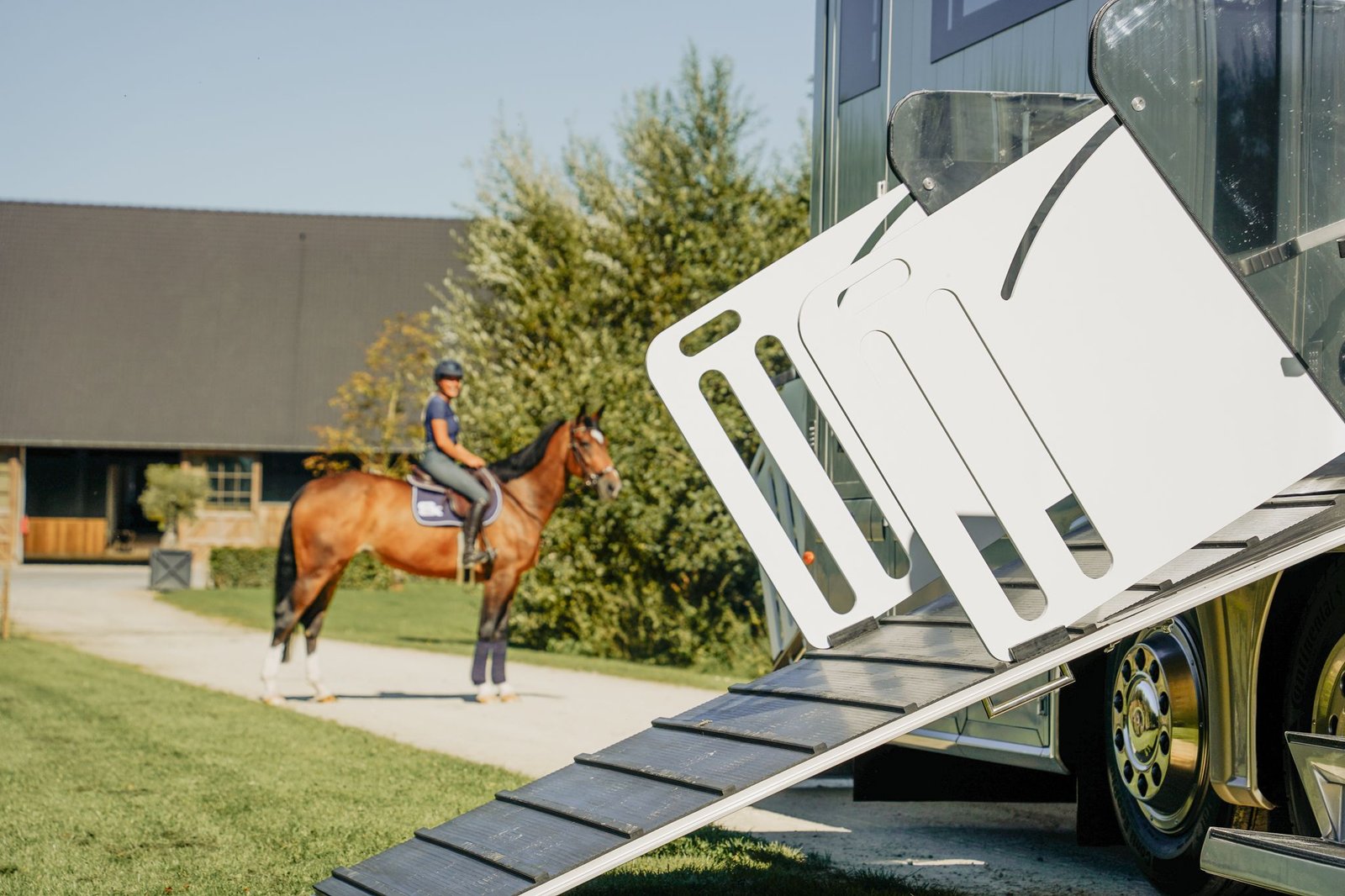
Deleu Ranch is licensed to provide pre-export isolation ("quarantine") housing for horses being prepared for international export. Before any horse can legally leave the United States, it must pass a strict window of veterinary testing, observation, and biosecurity isolation -- and every part of that process happens on facilities like ours, held to a federal standard. We do not take that responsibility lightly.
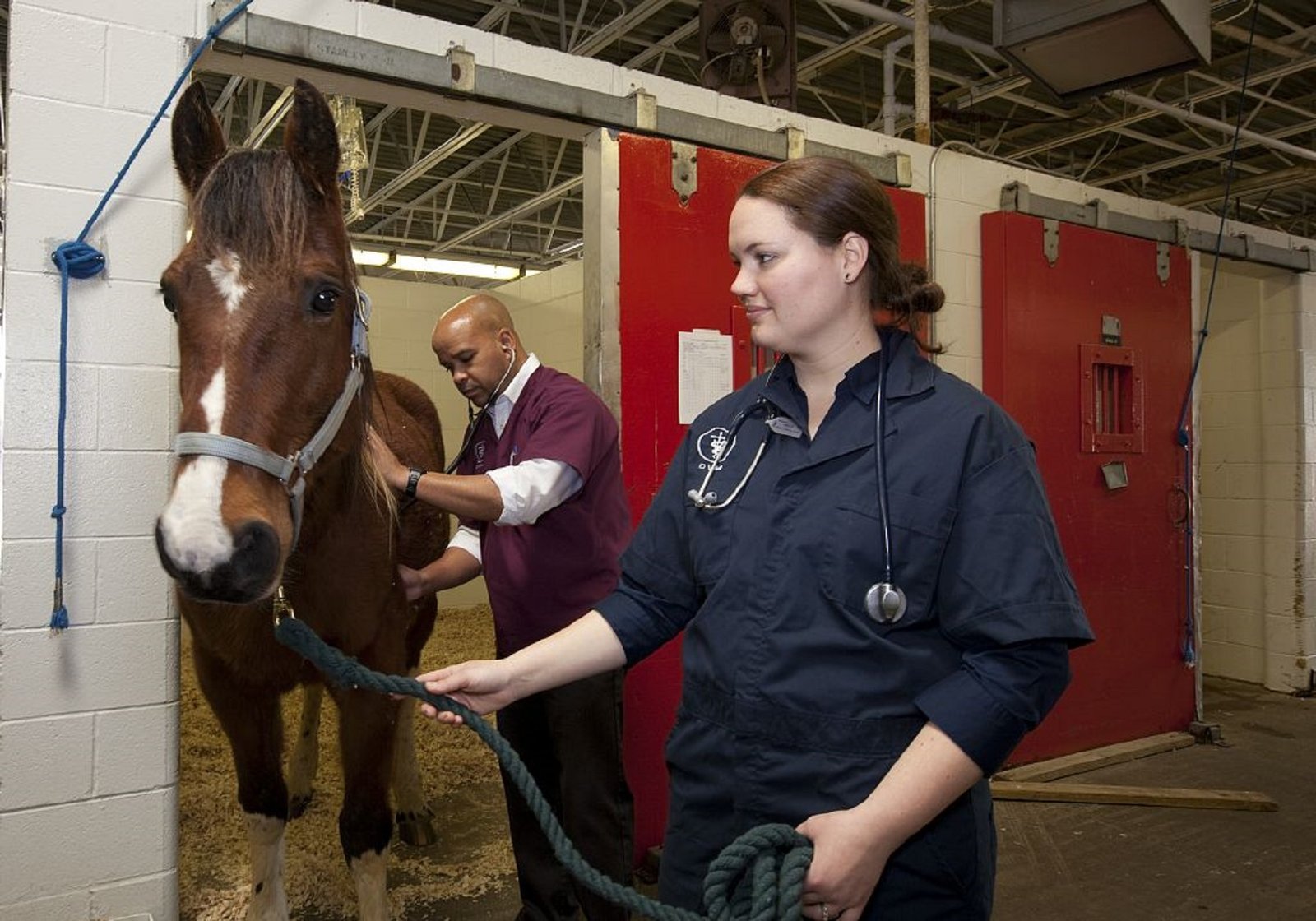
One Sick Horse Can Close A Border
International trade in live horses is one of the most heavily regulated movements in agriculture. Diseases such as Equine Infectious Anemia (EIA), Equine Piroplasmosis, Contagious Equine Metritis (CEM), Vesicular Stomatitis, and Equine Viral Arteritis (EVA) can devastate a receiving country's herd health and trigger immediate trade suspensions that take years to lift.
Because of that risk, USDA APHIS requires every horse leaving the United States to be tested, observed, and held in isolation for a fixed period immediately before departure. A licensed quarantine facility is the last line of defense between an infected animal and an international incident.
How A Horse Moves Through Export Isolation
While exact hold periods and testing panels vary by destination country and USDA/APHIS requirements at the time of shipment, every horse in our care follows the same disciplined sequence.
Pre-Isolation Veterinary Intake
Every horse arrives with a full clinical exam by a licensed, USDA-accredited veterinarian before it is ever admitted into isolation housing.
Day 0 -- Arrival & ExamDiagnostic Blood & Disease Testing
Blood is drawn and submitted for the required test panel -- commonly EIA (Coggins), Piroplasmosis, CEM culture, and destination-specific serology.
Days 1-5 -- Lab Testing WindowStrict Isolation Housing
Horses are held in dedicated isolation stalls, separated from the rest of the herd, with no shared airspace, water, or handlers.
Full Duration Of Hold PeriodDaily Health Monitoring & Temperature Logs
Temperature is taken and logged at least once daily, with immediate escalation to the vet for any fever or abnormal finding.
Continuous -- Twice-Daily ChecksBiosecurity & Sanitation Protocol
Dedicated tools, footbaths, and controlled visitor access reduce cross-contamination risk for the duration of the hold.
Enforced DailyFinal Health Certificate & USDA Endorsement
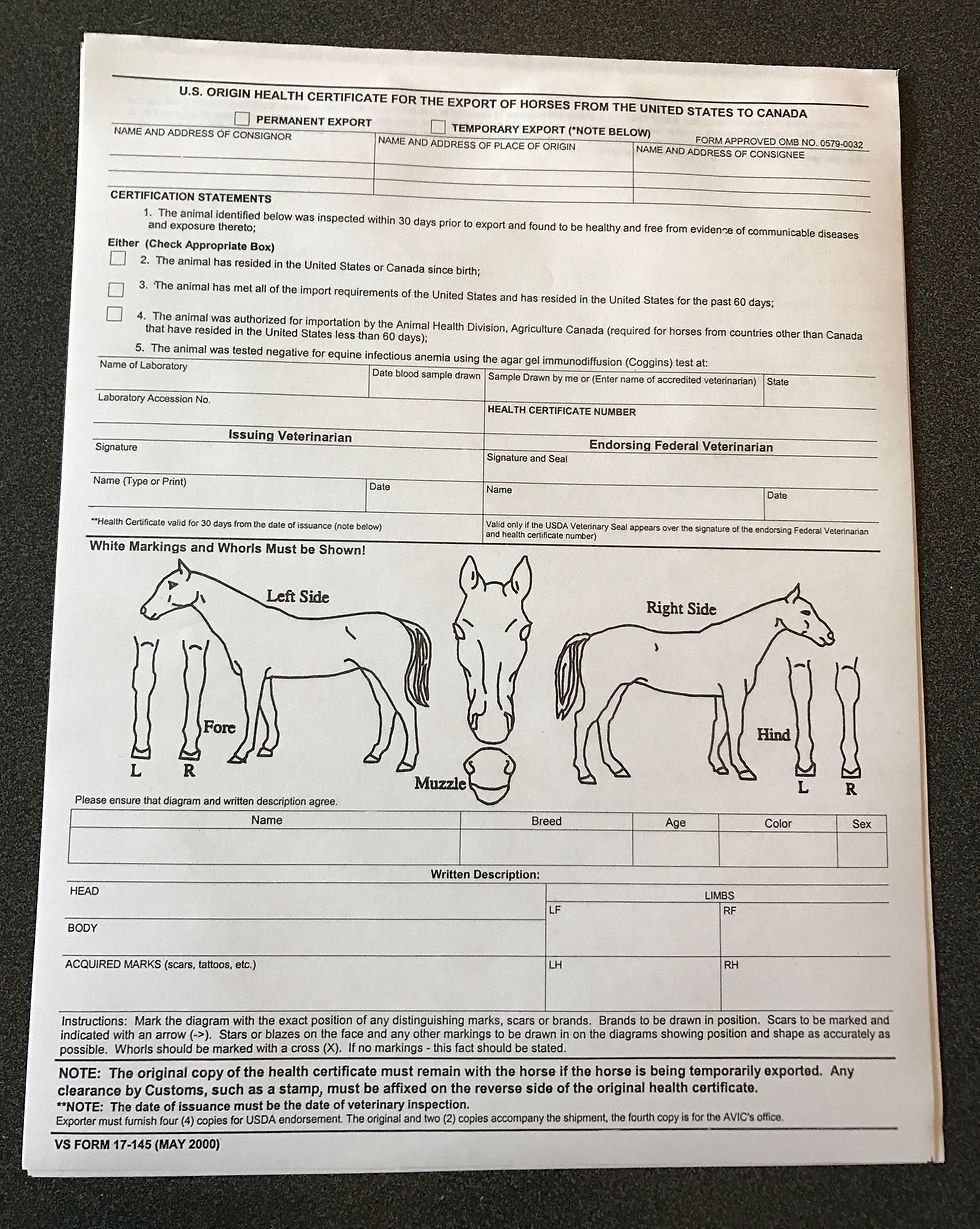
The accredited veterinarian completes the international health certificate, endorsed by a USDA APHIS officer.
Final 24-72 HoursDirect Transfer To Licensed Export Transport
The horse moves directly from isolation to an approved export carrier with its complete documentation packet.
Departure DayKey Diseases Every Export Protocol Is Built Around
Equine Infectious Anemia (EIA)
A blood-borne, incurable viral disease spread by biting insects. Confirmed by the "Coggins test" -- required on virtually every export health certificate.
Equine Piroplasmosis
A tick-borne parasitic blood disease many countries screen for aggressively, since infected horses can remain carriers for life.
Contagious Equine Metritis (CEM)
A highly contagious venereal bacterial infection; breeding stock undergo culture testing prior to clearance.
Equine Viral Arteritis (EVA)
A reproductive and respiratory viral disease of concern for breeding stallions and mares crossing into EVA-free import countries.
Vesicular Stomatitis (VS)
A reportable disease causing oral and hoof lesions; regional freedom status directly affects export certification.
External & Internal Parasites
Every horse is treated and inspected for ticks and parasites prior to and during isolation.
The Documentation That Actually Clears A Horse For Departure
Isolation is only half of the process -- the paperwork it generates is what customs and receiving-country veterinary authorities actually review at the border. We prepare and organize each horse's export packet in full:
- Signed international health certificate (e.g., USDA VS Form 17-145 series)
- Laboratory results for every required disease test
- Daily isolation & temperature logs for the full hold period
- Proof of vaccination and parasite treatment history
- Passport, microchip, or registration identification records
- Final APHIS Veterinary Services endorsement
An export shipment is only as reliable as the quarantine behind it. We treat every day of isolation as if a country's border is watching -- because, in a very real sense, it is.
-- The Deleu Family